

And that’s why you see it pushed in every YouTube ad. That’s why companies that have laid off so many workers are aggressively pushing employees to incorporate it into their workflow.
And that’s why Google is threatening schools: either use its AI search tool, or lose access completely.
Two trillion dollars. It all began when investors committed over $2 trillion to the AI buildout for major companies like OpenAI, Google Gemini, and the ChatGPT tools people have grown to love. These private investors, typically venture capital firms, private equity, and tech giants like Amazon, invest in exchange for equity, betting they will cash in big if these companies sell or become profitable.
However, those same investors are now panicking because AI isn’t generating the revenue they hoped for.
AI products are bringing in roughly $50+ billion per year, a drop in the bucket compared to the $2 trillion committed.
Why Didn’t It Work?
There is a clear mismatch between the massive infrastructure costs of AI and its measurable business outcomes. AI was oversold and aggressively pushed, yet leaders severely underestimated how nascent the technology is, its rate of error, and the lengthy processes required to set up and manage it effectively. Companies hoped AI would eliminate bottlenecks, streamline workflows, and reduce staffing needs to boost profits; instead, it has led to bloated engineering costs and new integration bottlenecks.
Companies are also deploying AI in the wrong areas, such as general marketing and customer service roles where customers overwhelmingly prefer a real human. Most of us are yelling "REPRESENTATIVE" at our phones by now. This poor implementation is causing blowback and forcing businesses to pay more for less. Furthermore, just to train AI to be effective, vendors incur massive computing expenses, passing those costs on to enterprise clients through steep, variable usage fees. Fees most companies are unwilling to pay without a proven return on investment.
For a deeper explanation, this former Silicon Valley Engineer explains how the costs are not aligning with the hoped for profit.
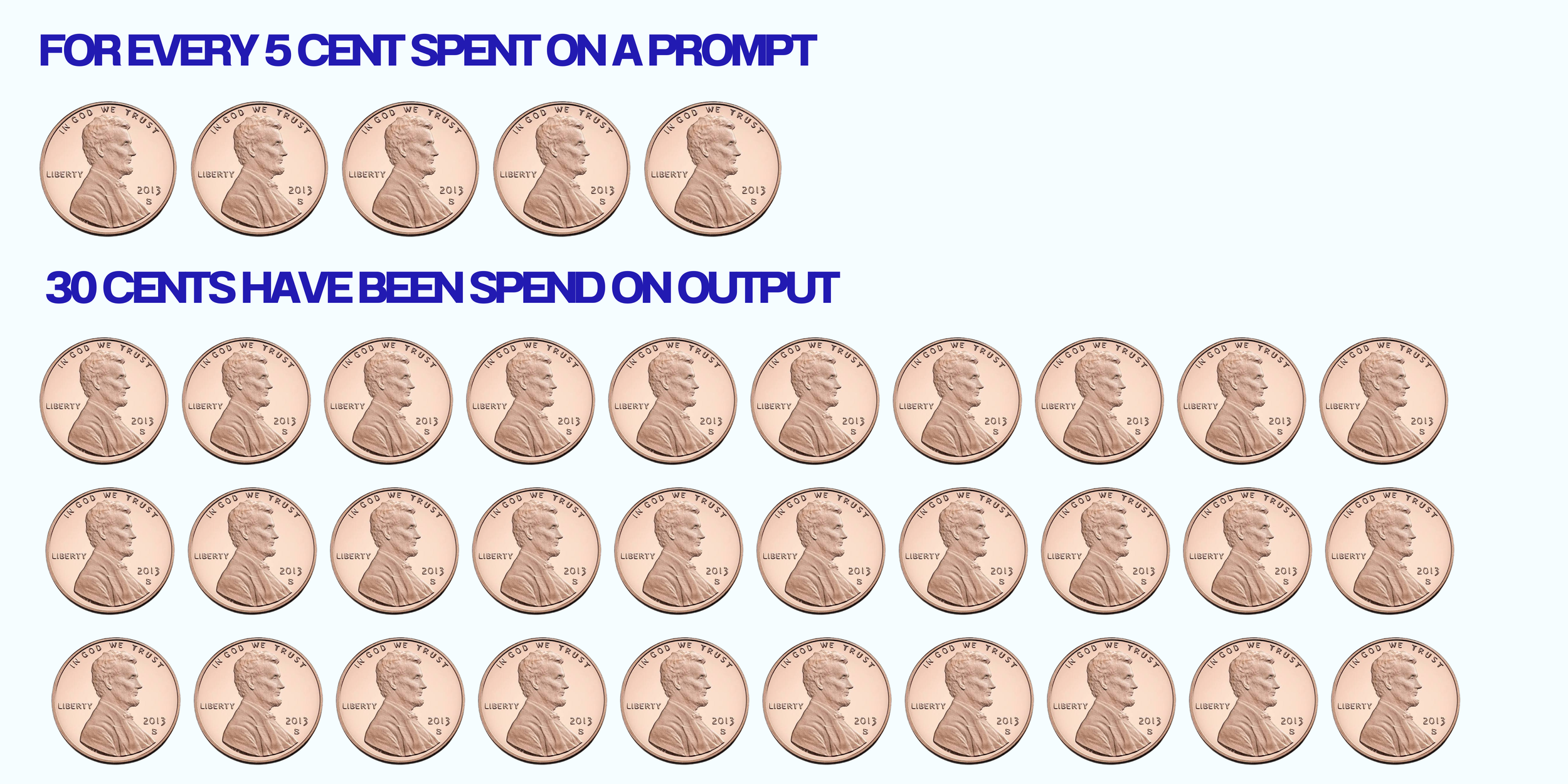
These data centers cost the same as an expensive light bill, so you’re paying a lot of money for a utility bill but you’re not getting the benefits of that bill. Every prompt you pull for FREE or for a $20/month subscription is a 4-6x cost for the AI model to get you the answer or the result you are looking for.
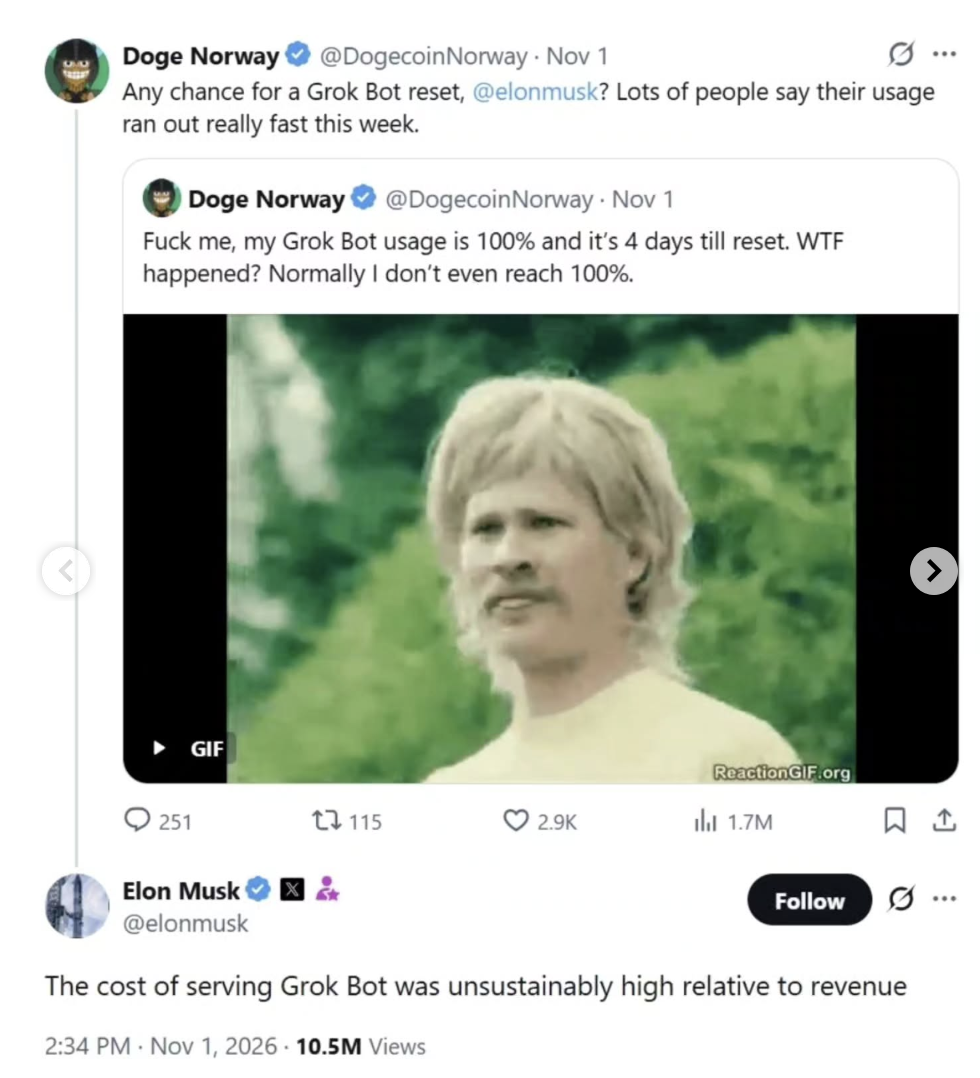
Even Elon Musk was recently caught being candid on X explaining that the Grok AI method he has always trying to shove down throats is becoming way too costly to operate. It simply isn’t making the money they hoped it would.
Potential Results?
AI is being pushed to extreme lengths. Take Google essentially giving K–12 schools an ultimatum: they can disable automatic AI search results for students, but only at the cost of losing general Google Search altogether. It feels like a power play—either use our AI feature, or don’t use us at all.
Most people don’t realize Google hopes to monetize that AI Summary at the top of every search. If you don't interact with it, it’s just more money down the drain for them.
Meanwhile, AI companies are rushing to go public through IPOs so everyday investors can buy shares and help recover their massive losses. Many people will end up holding these shares automatically, if you have a 401(k) invested in the stock market, this will directly impact you.
Many of these companies will likely be folded into major stock indexes—just like how the Nasdaq changed its rules to fit SpaceX into the mix. Investors have to make their money back somehow, right?
That’s also why you’re seeing aggressive AI ads and forced workplace rollouts: companies are desperate to recoup the cost of their mistakes.
My Thoughts?
AI was oversold due to corporate greed, promising huge capabilities it simply could not support so early in the game. Higher-ups wanted to replace the little guys to free up more money, only to realize you actually need a human to do human things because the accuracy of AI is still heavily in development. AI should not have been used to replace sales, marketing, and customer service. It should have gone toward things that truly need advancement, like medicine.
We did not need a way to generate images showing how people would look as crackheads in the 70s.
Do I think AI can be helpful? Yes. However, the ill intentions behind it are exactly why it is performing poorly.
The original push for AI was not meant to help society, and that is why it is now misguided with a potential crash on the way.